Hazdovac v. MBUSA: Are You Eligible for Warranty Payback?
For many luxury car owners, the promise of a premium driving experience comes with the expectation of robust warranty coverage. However, a significant legal development, the
Hazdovac v. Mercedes-Benz USA, LLC settlement, suggests that some Mercedes-Benz owners may have paid out-of-pocket for repairs that should have been covered under warranty. If you own a qualifying Mercedes-Benz vehicle, understanding this settlement could mean significant reimbursement for past expenses. This article will delve into the details of the Hazdovac settlement, help you determine your eligibility, and guide you through the process of potentially reclaiming your funds, with a focus on the role of the
Hazdovac V. Mbusa Settlement Administrator.
Understanding the Hazdovac v. MBUSA Emissions Warranty Settlement
At its core, the Hazdovac settlement addresses an alleged misclassification of certain emissions-related parts by Mercedes-Benz USA, LLC (MBUSA). The lawsuit, known as _Hazdovac v. Mercedes-Benz USA, LLC et al._ (case number 3:20-CV-377, N.D. Cal.), was filed by Plaintiff Cory Hazdovac on behalf of a class of affected Mercedes-Benz owners.
The Genesis of the Lawsuit and Its Allegations
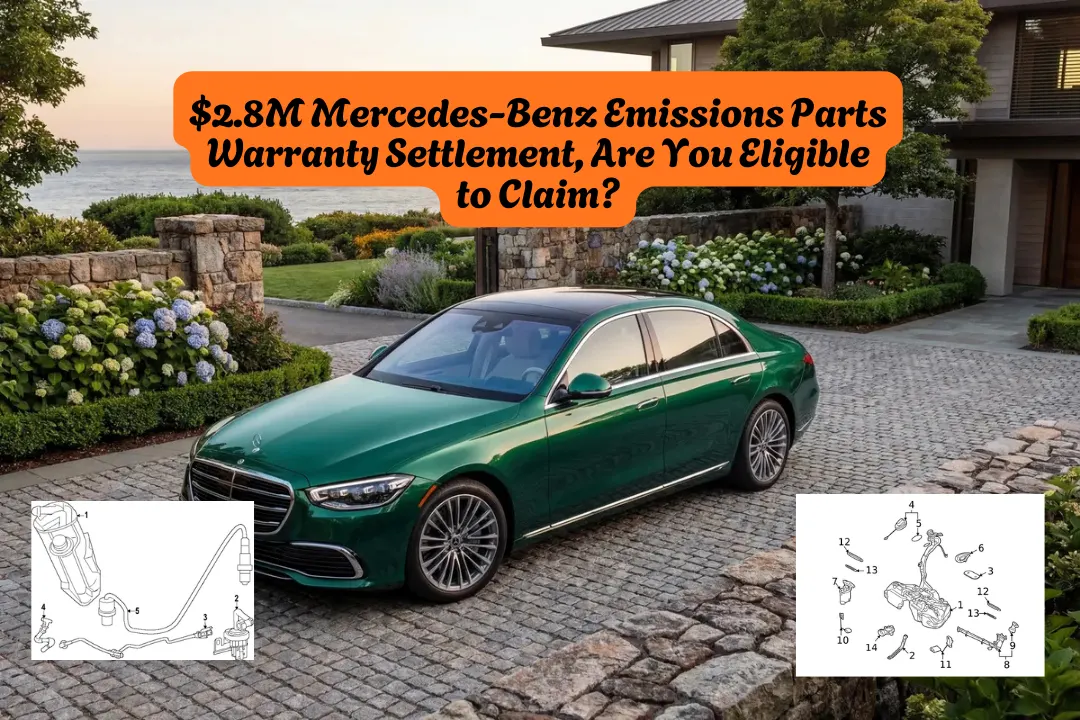
The Plaintiff's primary claim centered on fourteen specific vehicle parts, referred to as "Subject Parts." It was alleged that MBUSA failed to properly identify these components as "high-cost" or "high-priced" emissions warranty parts (HPP) under the stringent requirements of the California Emissions Warranty (California Code of Regulations, Title 13, §§ 2035 et seq.). The crucial implication of this alleged misclassification is that these HPP parts should have been covered by an extended warranty of 7 years or 70,000 miles, whichever came first.
MBUSA, while agreeing to the settlement, maintains its denial of all material factual allegations, legal claims, and any charges of wrongdoing or liability. This settlement, therefore, is a compromise reached to avoid further litigation costs and risks, providing a pathway for potential reimbursement to affected customers without an admission of fault from MBUSA.
What are "High-Priced Parts" (HPP) and Why Do They Matter?
Emissions control systems are complex and vital for both environmental protection and vehicle performance. To ensure manufacturers adhere to strict emissions standards, certain regulations, like the California Emissions Warranty, mandate extended coverage for specific, usually expensive, components within these systems. These are the "High-Priced Parts."
The significance of the HPP classification for consumers is substantial. If a part is designated as HPP, its warranty extends beyond the standard bumper-to-bumper coverage, typically to 7 years or 70,000 miles. For a Mercedes-Benz owner, this means that if one of these HPP components failed within that extended period, the diagnosis, repair, or replacement should have been covered by MBUSA. If you paid out-of-pocket for such a repair during this timeframe because it wasn't recognized as HPP, you are precisely the type of individual this settlement aims to assist. The financial impact of such repairs can be considerable, making this settlement a critical opportunity for eligible owners.
Are You a Hazdovac Settlement Class Member? Eligibility Criteria Explained
Determining your eligibility is the first and most crucial step toward claiming any potential reimbursement. The settlement defines a "Settlement Class Member" with specific criteria related to your vehicle, its registration state, and when certain repairs occurred.
Vehicle and Model Year Requirements
You are generally considered a Settlement Class Member if you meet the following:
* You purchased or leased a Mercedes-Benz vehicle.
* Your vehicle is from model year 2015 to the present.
* Your vehicle is covered by an HPP Warranty.
This means older models or those not subject to HPP Warranty regulations would not qualify.
The Importance of Section 177 States
A key aspect of eligibility revolves around where your vehicle was registered. The California Emissions Warranty provisions are not exclusive to California; they are also adopted by what are known as "Section 177 States" or "Reg. 177 States." These are states that have chosen to implement California's Low-Emission Vehicle (LEV) and Zero Emission Vehicle (ZEV) regulations under Section 177 of the Clean Air Act.
During the relevant period, these states included:
* California
* Colorado
* Connecticut
* Delaware
* Maine
* Maryland
* Massachusetts
* Minnesota
* Nevada
* New Jersey
* New York
* Oregon
* Pennsylvania
* Rhode Island
* Vermont
* Virginia
* Washington
It's important to note that certain states were Reg. 177 states only for specific model year vehicles. For precise details on your state and model year coverage, you should refer to Exhibit A of the Settlement Agreement or the official settlement website's Section 177 States page.
Out-of-Pocket Costs and Repair Timelines
Even if your vehicle and state meet the above criteria, eligibility further hinges on when you incurred costs for specific repairs. You may be entitled to significant reimbursement if:
* You paid out-of-pocket to diagnose, repair, or replace covered vehicle parts (the "Subject Parts").
* These costs were incurred between the period of 4 years/50,000 miles and 7 years/70,000 miles from the vehicle's original in-service date (whichever comes first).
* Your vehicle was registered in one of the covered Section 177 States at the time of the repair.
This specific window is critical because it represents the period during which the parts *should* have been covered by the extended HPP Warranty. If your repair fell outside this window, or if it was for a part not deemed a "Subject Part," you might not be eligible.
Identifying the "Subject Parts"
While the reference context does not explicitly list the fourteen "Subject Parts," they are described as components that should have been classified as HPP under the California Emissions Warranty. Generally, these would be crucial parts of your vehicle's emissions control system that are typically high in cost and critical for regulatory compliance. Examples in other similar cases often include components like catalytic converters, oxygen sensors, powertrain control modules, and various valves or sensors integral to managing exhaust gases. If you've had repairs to such systems, especially after your standard warranty expired but before the 7-year/70,000-mile mark, you should investigate further.
Navigating the Claim Process: Your Path to Reimbursement
Once you believe you're an eligible class member, the next step is to understand how to file your claim. This involves interacting with the
Hazdovac V. Mbusa Settlement Administrator, gathering documentation, and adhering to deadlines.
The Role of the Hazdovac V. Mbusa Settlement Administrator
The
Hazdovac V. Mbusa Settlement Administrator is a crucial entity responsible for managing the entire claims process. Their duties typically include:
* Disseminating information about the settlement.
* Processing and reviewing submitted claims.
* Verifying claimant eligibility based on the established criteria.
* Communicating with class members regarding their claims.
* Calculating and distributing reimbursement payments to approved claimants.
* Responding to inquiries about the settlement.
Essentially, the administrator acts as a neutral third party, ensuring the settlement terms are executed fairly and efficiently. They are your primary point of contact for official information and claim submission.
Essential Documentation for Your Claim
To ensure a smooth claim process, gathering the right documents is paramount. The
Hazdovac V. Mbusa Settlement Administrator will require specific proofs to validate your claim. These typically include:
*
Repair Invoices: Detailed invoices from an authorized Mercedes-Benz dealership or a reputable independent repair shop, clearly showing the parts replaced, the labor performed, and the cost incurred.
*
Proof of Payment: Bank statements, credit card statements, or canceled checks that confirm you paid for the repair out-of-pocket.
*
Vehicle Registration: Documentation proving your vehicle was registered in a Section 177 State at the time of the repair.
*
Vehicle Information: Your vehicle's VIN (Vehicle Identification Number) and accurate mileage at the time of the repair.
*
Service Records: Any other relevant service history that might corroborate the repair.
Keeping meticulous records is always a good practice for car owners, and it can significantly simplify processes like this.
Key Steps to File Your Claim
While the exact steps will be detailed on the official settlement website, generally, you will need to:
1.
Visit the Official Settlement Website: This is the definitive source for all forms, instructions, and deadlines.
2.
Review Eligibility: Double-check all criteria against your personal situation.
3.
Gather Documentation: Collect all necessary invoices, proofs of payment, and vehicle information.
4.
Complete the Claim Form: Fill out the form accurately and completely, providing all requested details.
5.
Submit Your Claim: Follow the instructions for submission, whether online or by mail, ensuring it's sent to the correct address provided by the
Hazdovac V. Mbusa Settlement Administrator.
6.
Adhere to Deadlines: Pay close attention to the submission deadline for claims, as late submissions are almost always rejected.
For a deeper dive into the claim submission process and what specific forms you'll need, you might find additional valuable information in our related article:
Mercedes-Benz Emissions Settlement: Claim Your Reimbursement.
Maximizing Your Chances: Tips for a Successful Hazdovac Claim
Filing a claim can sometimes feel daunting, but with the right approach, you can significantly increase your chances of a successful reimbursement.
Understand Your Warranty Rights
Beyond this specific settlement, it's always wise to be knowledgeable about your vehicle's warranty coverage. Knowing the differences between bumper-to-bumper, powertrain, and emissions warranties can save you headaches and money in the future. Educate yourself on what's covered for how long, and what specific parts fall under extended emissions provisions. For more comprehensive insights into your warranty, consider reading
Mercedes Owners: Understand Your Emissions Warranty Claim.
Consult the Official Settlement Website
The official website for the Hazdovac settlement is your single most reliable source of information. It will contain the most up-to-date details, specific deadlines, FAQs, and contact information for the
Hazdovac V. Mbusa Settlement Administrator. Avoid relying solely on third-party sources, as information can change.
Don't Miss Deadlines
Settlements always come with strict deadlines for opting out, objecting, and submitting claims. Missing these dates, even by a day, can mean forfeiting your right to any reimbursement. Mark your calendar, set reminders, and aim to submit your claim well in advance of the cut-off.
Seek Assistance if Needed
If you encounter difficulties or have complex questions that aren't answered on the official website or in the FAQs, do not hesitate to contact the
Hazdovac V. Mbusa Settlement Administrator directly. They are there to assist class members through the process. Ensure you have your vehicle information and any relevant repair details handy when you call or email.
The Hazdovac settlement represents a significant opportunity for eligible Mercedes-Benz owners to recoup expenses they rightfully should not have incurred. By understanding the eligibility criteria, meticulously preparing your documentation, and diligently following the claim process overseen by the
Hazdovac V. Mbusa Settlement Administrator, you can maximize your chances of receiving the reimbursement you deserve. Don't let this opportunity pass you by; investigate your eligibility today.